About
“ARCHILIFOGRAPHY” METODOLOJİSİ*
* For English scroll down
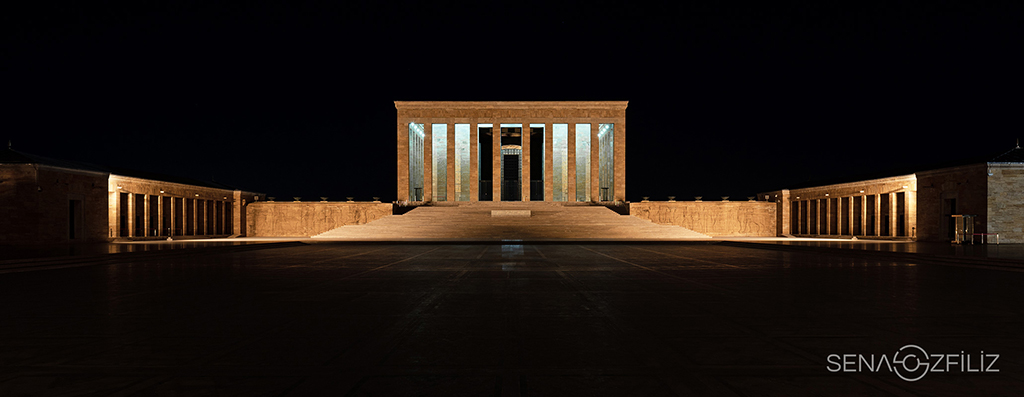
Mimarlık ürün ve mekânların tanıtım ve pazarlamasına yönelik olarak fotoğraf üreten ana akım mimari fotoğraf anlayışı, bu ürünlerin genellikle kütle-hacim-malzeme ekseninde yansıtılmasını benimsemiştir. Bu fotoğrafik temsillerde mimari mekânlar; insandan ve gündelik hayatın getirdiği/gerektirdiği eklemelerden/kullanımlardan arındırılmış, en hijyenik halleriyle yansıtılırlar. Bu mekânların gerçek kullanıcıları, fotoğrafa genellikle sadece mekân ve ölçek hissini güçlendirmek amacıyla sınırlı olarak dâhil edilirler. Mekânların kullanıcısından arındırılmış biçimde fotoğraflandığı bu türden örnekler, o yapıların ruhunu yansıtmaktan uzaktırlar. Bu arındırma hissini, 1900’lerin başında Paris’i belgeleyen fotoğraflar çeken Eugene Atget’in yaklaşımı hakkında Walter Benjamin’in yaptığı tespitte de görmek mümkün: “…ıssız, atmosfersiz, yeni kiracısını daha bulamamış bir daire gibi boşaltılmış, çevresi ve insanı ile yabancılaşan…”[1]
İmgenin özüne yapılan – perspektif düzeltmesi başta olmak üzere- müdahalelerle gerçeklikten daha da uzaklaşılmaktadır. Bu nedenlerle, bir binanın mimari fotoğraflarını gördüğümüzde bıraktığı etkiyle, o binayı deneyimlediğimizde oluşan hisler birbirinden çok farklı olabilmektedir.
Konularını kusursuz olarak göstermeyi amaçlayan mimari mekân fotoğrafları, aslında insanlar için tasarlanmış mimari eseri/mekânı gerçekliğinden koparmakla kalmayıp, görsel tüketime yönelik arzu nesnesi haline getirmekte, onu meşrulaştırma amacına hizmet etmektedir.
Oysaki mimarlık ürünleri dört boyutunun ötesinde, insanın bütün duyularına- hatta bununla da kalmayarak altıncı hissine ve hayalgücüne de- hitap eden nitelikler içermektedir. Mimariyi bütün bu nitelikleri ile fotoğrafta iki boyuta indirgeyerek aktarmak başlı başına bir güçlük yaratırken, günümüzün hâkim mimari fotoğraf anlayışı, mimarinin bu zengin potansiyelini aktarmakta çoğu zaman yetersiz kalmaktadır. Bu fotoğraflarda eksik olan “samimiyet”tir. Samimiyet eksikliği fotoğrafçının, mekânın potansiyelini kavramak için yeterince çaba sarfetmemesinden kaynaklanabileceği gibi, pazarlama ve meşrulaştırma amacına hizmet eden bilinçli bir tercih de olabilmektedir.
Gerçekte bir mimarlık ürününü başarılı yapan; estetik kalitesinin yanı sıra, tasarlanış amacına uygun hizmet vermesi ve kullanıcılarının akıl, beden ve ruh sağlığına olumlu katkı yapmasıdır. “Samimi” mimari fotoğraflar elde edebilmek için, bütün bu ölçütlerin doğru biçimde değerlendirmesini yapabilmek üzere mekânı bütün boyutlarıyla deneyimleyebilme özverisine ve bu deneyimi fotoğrafın iki boyutlu dünyasına adapte ederek anlatabilme becerisine sahip olmak gerekir.
“Archilifography ” [2] Ne Öneriyor?
- İnsanın, mimarinin olduğu kadar mimarinin fotoğrafik temsillerinin de nesnesi değil öznesi; figüranı değil başrol oyuncusu olduğu, Archilifography‘nin çıkış noktasıdır.
- Yapıların, ideal ışık ve hava koşullarında, bakana en estetik gelecek şekilde fotoğraflanması mimarinin özünü aktarmakta yetersiz bir yaklaşımdır. Mimarlık ürünü bir süs eşyası değil, F.L.Wright’ın söylediği gibi “biçim haline gelmiş yaşamdır”. “Archilifography”nin mimarlık ürününü, fiziksel varlığının ötesinde tüm boyutlarıyla ve içinde gelişen yaşantıyla bütünleşik olarak yansıtması hedeflenmektedir. Bu amaçla önerilen yöntemler şunlardır:
- Mimarlık ürününün nasıl kullanıldığı, içindeki ve çevresindeki yaşantıyı nasıl belirlediği/dönüştürdüğü, gözlem yeteneğine ve mimari farkındalığa sahip -tercihen mimarlık kavrayışı olan- fotoğrafçı tarafından katılımcı bir şekilde deneyimlenecektir. Bazı informel kullanım türleri ve kullanıcıların mimariyle etkileşiminin belgelenmesi, mimari eserin ruhunu anlama ve aktarma açısından, “Archilifography”nin mihenk taşını oluşturacaktır.
- Mimarlık ürününün en mükemmel olarak yansıtılabileceği açı veya konumdan değil, gerçeklik duygusunu verebilecek farklı açılardan, günün farklı saatlerinde hatta farklı mevsimlerde görüntülenecektir. Günışığının özellikle iç ve dış mekânlardaki hacimsel etkisi tüm gerçekliğiyle yansıtılmaya çalışılacaktır. Dördüncü boyut olan zamanı vurgulama açısından süreci yansıtmaya dönük, zaman atlatma (time lapse) gibi tekniklerden yararlanılabilecektir.
- Mimarlık ürününün fotoğraflarına yapılacak optik ve dijital müdahaleler (perspektif düzeltmesi gibi) en düşük düzeyde tutularak gerçeklik algısının korunması hedeflenmektedir. Bu amaca yönelik ekipman kullanımına özen gösterilecektir. Ancak eğer fotoğraflanan mimari mekân fotoğrafçısının hayalgücünü tetikleyen niteliklere sahipse, fotoğrafçı bunu kendi yorumuna dayanarak aktarmakta kullanacağı teknik ve ekipmanı seçmekte özgür olacaktır.
- Mimarlık ürününün, mahremiyet koşullarına saygı göstermek kaydıyla, mümkün olduğunca gerçek kullanıcıları tarafından, gerçekte olduğu gibi yaşantılanırken fotoğraflanması hedeflenmektedir. Amaç, içindeki hayatla birlikte mekânların ruhunu gerçekte olduğu gibi keşfetmek ve fotoğrafla aktarmaktır. Kesinlikle konu mankeni kullanılmayacak, iç ve dış donanımın doğasına yapılacak müdahaleler en az düzeyde tutulacaktır.[3]
- Yayınlanacağı medyanın niteliğine göre, gerektiğinde görsel algı dışındaki diğer duyulara da hitap edebilecek bir belgeleme yapılması önerilebilecektir. Bu yardımcı medya ve teknikler, mimari fotoğrafın temsil ettiği mimarlık ürününü gerçeğe en yakın şekilde aktarmasını destekleyecektir. [4]
Cesur mimarlar, yatırımcılar/ mal sahipleri ve mimarlık medyası aranıyor!…
Archilifography mimarlığın gücünü ve hayatlarımızı biçimlendirme potansiyelini fotoğraf aracılığıyla en gerçekçi biçimiyle yeniden keşfetmeyi ve o yapıları deneyimleme şansı yakalayamayan kitlelerle tüm samimiyetiyle paylaşmayı hedeflemektedir.
Archilifography anlayışının hayat bulabilmesi için; yarattığı mimarlık ürünlerinin kullanım performansına kefil olabilecek cesur mimarlara, yapılarının medya ortamında gerçek kimlik ve yaşantılarıyla “samimiyetle” yansıtılmasından çekinmeyecek mal sahibi/ yatırımcı ve kullanıcılara ve de mimarinin görsel belgelemesinde alternatif yaratacak bu harekete yer verme cesaretine sahip bir medya anlayışına ihtiyaç vardır.
Ya siz? bunlardan biri misiniz?
Vimeo’da /Archilifography /on Vimeo: https://vimeo.com/archilifography
Instagram’da /Archilifography/ on Instagram: https://instagram.com/archilifography/
[1] Benjamin, W. (1979): One-Way Street. London: New Left Books, 1979, s.250-251
[2] Tüm isim hakları “Sena Özfiliz- Mimarlığın Görsel Dokümantasyonu”na aittir. İzinsiz olarak kullanılamaz.
[3] İnsan ve gerçek hayat izleri çekim öncesi yok edilmeyecektir.
[4] Örneğin çekim yapılan mekândaki akustiği belgeleyen ses kayıtları vb.
THE “ARCHILIFOGRAPHY” METHODOLOGY
The mainstream architectural photography genre that create photographs intended for presentation and marketing purposes of architectural spaces and products, generally interpret their subjects in the triangle of mass-volume-material. In those photographic representations, the architectural spaces are reflected with their most hygienic state, purified of the users and the usages/extensions that daily life necessitates. The actual users of those spaces are mostly excluded in these photographs or included in a limited number, just to strengthen the sense of space and scale. These kinds of photographs that choose to reflect the spaces purified of their users are far from expressing the soul of those buildings. It is likely to quote this sense of purification from Walter Benjamin’s observations on Eugene Atget’s documentary images of Paris in 1900’s: “…They are not lonely, merely without mood; the city in these pictures looks cleared out, like a lodging that has not yet found a new tenant.”[1]
Those photographs are driven away from reality more, with digital interventions applied to the essence of the image, like perspective correction and alike. Consequently, there is usually a huge gap between the impact that a building’s photographs make on the viewer and the feeling one gets when he actually sense the building itself.
The mainstream architectural photography reflecting its subjects flawlessly, not only detach the architectural product/ space from reality, but also serve to the purpose of transforming them into objects of desire for consumer society while legitimizing them.
It is already a hard task to express architecture within limited, two-dimensional character of photography, whereas, beyond its four dimensions, architecture has characteristics that appeal not only to five senses of the human being, but to his sixth sense and imagination as well. The mainstream architectural photography genre is often inadequate to reflect the many dimensions and real potential of architecture. What is missing in those photographs is “sincerity”. This lack of sincerity may derive as a result of inefficient effort of the photographer in conceiving the real potential of the space or can be a conscious choice in order to serve for the marketing and legitimation purposes of the client.
In reality, what makes an architectural product succesful besides the proper operation of the building in its planned function, alongside its aesthetics quality is the positive contribution it makes to the lives of its users, mentally and physically. To achieve “sincere” architectural photographs, one should have a devotion and skill to experience the architectural space with all its dimensions and narrate this experience via two-dimensional world of photography.
What does “Archilifography”[2] propose?
- The starting point for “archilifography” is the recognition that human is the subject, not the object; the headliner not the walker-on, in both architecture and its photographic representation.
- The photographic recording of the buildings in ideal lighting and weather conditions to ensure its aesthetical acceptance by the onlooker, is considered to be insufficient in expressing the essence of architecture. Architecture is not a trinket; as F.L.Wright remarked, it is “life”, “or at least it is life itself taking form and therefore it is the truest record of life…”. “Archilifography” aims at speaking for architecture beyond its physical presence with all its dimensions focusing on its inseparable unity with the life evolving within. The following methods are proposed for this purpose:
- How architectural space is used and how it determines/ transforms the life within and around will be experienced in a participatory manner by a photographer who has observation skills, having awareness and preferably a notion of architecture. The documentation of some informal usages and the interplay of the users with architecture, is the keystone of “archilifography” in perceiving and transmitting the soul of the architectural creation.
- In order to reflect reality in the best possible way, the architectural product/space will not be photographed just from the perfect angle in perfect lighting conditions, but will be recorded from different angles, in different hours of the day and even in different climatic conditions. Especially the periodic impacts of daylight at interiors and exteriors will try to be reflected with all its reality. To express the fourth dimension “time”, some process-oriented techniques like ‘time lapse’ may be utilized.
- The level of optical and digital treatments (like perspective/lens correction) will be kept minimum not to lose the sense of reality. The camera equipments will also be selected accordingly. But the photographer will be free to interpret his sense of that architectural space, regarding imagination triggering qualities of architecture that is in question.
- The architectural space is aimed to be photographed mostly while it is being used by actual users, meanwhile respecting their privacy. The main goal is to discover the soul of the architectural space and the life within, and transmit to photographs with all its reality. There will not be any stranger ‘models’ and the nature of the interior and exterior furnishing and equipments will be kept as they are, to a higher degree, without being re-arranged.[3]
- In accordance with the related publisher media, to support the reality of the expression of sense of space, suggestions for supplementary documentation[4] to express the characteristics of the space to correspond to other senses of the audience will be considered.
Looking for “brave” architects, investors/ owners and architectural media…
“Archilifography” intends to re-discover the power of architecture in its most realistic state and become a powerful tool in sharing architectural evolution with the people who does not have the opportunity to actually experience it.
For “archilifography” to flourish,there is a need for brave architects who can stand behind the live performance of their designs, brave owners and users that will not hesitate to be a part of the photographic process with their real lives and brave architectural media that can give an opportunity to this alternative visual documentation of architecture.
Are you one of those?
[1] Benjamin, W. (1979): One-Way Street. London: New Left Books, 1979, p.250-251
[2] All the naming rights belong to “Sena Ozfiliz Visual Documentation of Architecture”. Can not be used without permission.
[3] The traces of real life will not be eliminated.
[4] Like sound recordings, collecting textures etc.
 ARCHILIFOGRAPHY by SENA ÖZFİLİZ VISUAL DOCUMENTATION OF ARCHITECTURE